12月4、5日北京で日朝交渉が開かれる。前回ウランバートルで行われた協議後に朝鮮新報に掲載された記事をハングルから訳してみた。
2012年11月30日金曜日


2012年11月28日水曜日
黄金坪開発は段階的に推進 中国雑誌
《中国经济周刊》记者刘永刚|辽宁丹东报道
中国是朝鲜最大的贸易伙伴,占朝鲜对外贸易额的九成以上;而两国之间70%以上的贸易量、60%以上的贸易额是通过丹东口岸实现的。现在,面对中朝黄金坪经济区的开发建设,面对“一桥两岛”(新的鸭绿江公路大桥和黄金坪岛、威化岛)的绝对地理优势,丹东迎来难得的历史性机遇。
丹东如何才能不错过这千载难逢的机会?丹东做好准备了吗?
丹东新角色:“桥头堡”与“大通道”
作为亚洲唯一一个同时拥有边境口岸、机场、高铁、河港、海港、高速公路的城市的市委书记,戴玉林最近一段时期的工作日程已被排得满满当当,因为今年开始,他的日常工作中增加了一项十分重要的内容——接待中国和外国去朝鲜投资的考察团。
“无论是国内的考察团还是国外的考察团,他们去朝鲜的路线图上,基本都有丹东一站,取道丹东前往平壤。”戴玉林书记对《中国经济周刊》记者介绍说。
据介绍,今年丹东市委市政府已经接待了好几个国家的代表团,如新加坡代表团,新加坡国际商会组织了几十家企业到朝鲜进行一周的商贸考察,前往平壤之前,代表团就先考察了丹东的对朝经贸情况;代表团结束朝鲜考察后,又专门回到丹东,与丹东的对朝经贸公司接洽合作。
目前要跟朝鲜开展经贸往来,最佳途径就是选择丹东市的对朝贸易公司来做代理。
“丹东市目前对朝贸易公司有几百家,第一部进入朝鲜的手机,就是由丹东的贸易公司总代理的,目前经由丹东进入朝鲜的手机应该达上百万部了。电视机、电冰箱等也是通过丹东的贸易公司进入朝鲜的。”戴玉林书记自豪地介绍。
但对于丹东来说,中朝经济区合作所带来的历史性机遇,绝不是自发的民间经贸往来。特别是面对丹东市与黄金坪经济区“一桥两岛”的天然地理优势,丹东有着更大的图谋和筹划。
“中朝黄金坪经济区开发建设的同时,丹东市也作了专项的对接规划,设立了中朝黄金坪特殊经济‘配套区’。”戴玉林书记透露说。
也许在外人看来,中朝经济区是两国政府之间的合作,在两国合作中,丹东市担当的只是个小角色;但是,在丹东人自己心中,这次却是个大机遇,他们希望凭借自己的大智慧,真正实现大发展、大跨越。
仅有信心和决心还不够,措施更至关重要。对于丹东如何才能利用和抓住这次机遇,戴玉林有着清晰的思路和举措:“丹东要利用自己的特殊区位优势和现有条件,在对朝经济区合作中扮演桥头堡和大通道的作用。”
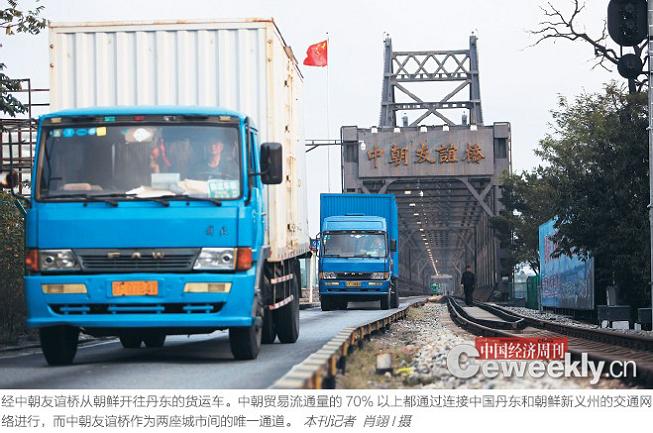
丹东新城:毗邻中朝经济区
大多数人提起丹东更多的是发生在上世纪50年代末的那场战争,人们也多是将其作为那场战争的映像来探访。所以,不论是何种天气,游客们都会在当年战争中被美军炸毁的中朝鸭绿江断桥上合影留念,并兴致勃勃地谈论桥上的弹孔——抗美援朝、鸭绿江和对岸的朝鲜形成了现代人对于丹东的想象。
但显然,这些并不是丹东的全部,更不是丹东的现在。如今一提起丹东,全世界投资人的眼光必然会落到中朝黄金坪经济区以及经济区的“一桥两岛”开发建设。
丹东是中国对朝贸易最大的陆路口岸和商品集散地,但原有的鸭绿江大桥作为辽宁省与朝鲜平安北道最大的陆路通道,仅能容载20吨以下规模的货车单向通行,已成制约中朝两国经贸往来的瓶颈。
2012年10月11日,记者在丹东市海关边境口岸就切实感受到了这种“瓶颈”。下午4点半,繁忙的边境口岸挤满了等待通关的人流和货车。而在不远处,并不宽敞的鸭绿江大桥上,却只有一条可以单向行驶的汽车道和火车道。
“由于只能单向行驶,所以每次由丹东去往朝鲜境内的货物和人流都需先等待对方通关结束之后才能通过。”丹东市海关相关人员告诉《中国经济周刊》,“没办法,现在我们只能是和朝方商量当月谁先通过。”
为了解决这一瓶颈,中朝两国政府于2010年2月签署双边协定,确定在原来的鸭绿江大桥下游约10公里处新建一座新的鸭绿江公路大桥。新建大桥总投资22.2亿元人民币,采用四车道一级公路标准,全长3030米,其中主桥1266米,为双塔双索面钢箱斜拉桥。
根据协定,这座大桥今后要与朝鲜的平壤,中国的丹东、哈尔滨相连接,目标直指未来的大规模交流合作。
在新的鸭绿江公路大桥所在地区的鸭绿江北岸,是正在开发建设的丹东新城区。
据了解,丹东新城区又称为国门湾新区,位于丹东市西南部地区。占地面积61.8万平方公里,预计容纳40万人口。丹东新城区的综合定位是中朝边境互补合作的“桥头堡”,未来的区域综合交通枢纽。一位丹东官员告诉《中国经济周刊》,新城区的未来就像是丹东的“铜锣湾”。
目前,丹东新区已经初具规模,丹东市人民政府的新办公大楼就正对黄金坪岛,新城区还建了体育场、剧院等文化基础设施,新加坡城、滨海壹号等高档房地产项目也在热卖中。
丹东在中朝经济特区合作和建设中的天然的地理优势和特殊的角色定位,早已被敏锐的投资家们发现,包括万达地产在内的一些大地产商已经捷足先登。投资界人士分析说,2013年有可能成为丹东投资年。
机遇与智慧:丹东专设“配套区”
面对“一桥两岛”合作开发这一难能可贵的发展机遇,丹东要做的事情在戴玉林眼中很是实在。“一是要搞清楚丹东能够为经济区做好哪些服务?按照国家要求为黄金坪经济区提供基础配套设施,包括水电等;二是丹东如何利用这次机遇,实现自身发展。”戴玉林坦言,服务中朝经济区是国家任务,必须做好,而发展丹东又是职责所在,任务和职责两个同样重要。
“黄金坪经济区首先要做的是岛上的水、电、气、通讯等基础设施。”戴玉林说,丹东新区经过5年来的建设,基础设施和城市功能已经非常成熟,完全具备了为黄金坪下一步大规模开发建设提供生产配套以及生活配套的条件。
相对于为黄金坪服务这一职责而言,丹东自身如何利用这次机遇,更具有考验度。
对此,戴玉林的思路是,由于各种原因,朝鲜国内目前很多资源都不能直接运送到国外,但朝鲜的矿产资源、水产品、工业品又很丰富,所以目前丹东可以充当“大通道”的角色,将朝鲜境内的很多资源和产品通过丹东运送到世界各地。
丹东的大通道作用,为黄金坪经济区的投资者们解除了后顾之忧。“企业家不用担心在经济区的产品运不出去。”戴玉林说。
据介绍,丹东距朝鲜平壤220公里,距韩国首尔420公里,丹沈高速距沈阳220公里,丹大高速距大连252公里。已经开通的丹东—通化、丹东—海城高速公路,为黄金坪经济区和丹东沿海经济带提供了便利的交通条件。
“交通的方便,必然会使得黄金坪经济区成为附近经济圈一个吸引点。”戴玉林坦言,“按照目前的进展,丹东今后不仅要对朝鲜,而是对整个朝鲜半岛起到一个国际物流中心的作用。”
在服务经济区的同时,丹东也有自己的思考。
丹东新区已经规划出了10平方公里的中朝黄金坪特殊经济配套区,以实现与黄金坪口岸交通、信息、能源、产业等方面的跨境对接。
戴玉林介绍,在相关基础配套设施如工厂和培训基地建好之后,配套区首先要引进劳动密集型产业,如服装加工业、电子信息产业。同时,对于生产性的服务,还将在配套区建设一个包括旅游、创意、文娱产业在内的保劳区。
“我们把投资企业引入配套区是第一步,对于丹东来说更为重要的是第二步,就是要把朝鲜的工人招进来,因为丹东缺乏劳动力。”戴玉林说。
朝鲜劳动力具有很多优点。朝鲜的义务教育为11年,比中国的9年制还要长。据介绍,目前在丹东工作的朝鲜务工人员,充分体现了守纪律、负责任等优点。
朝鲜劳工的引入,不仅可以解决劳动力短缺,同时也可以拉动丹东的消费。
目前,丹东在招商引资方面碰到的最大难题就是缺工人、缺人才。在这种情况下,为了丹东的发展,丹东非常希望国家允许从朝鲜引进更多劳动力。有专家预测,从丹东的产业发展需要和朝鲜劳动力的供给看,丹东至少可以引进朝鲜劳工10万~20万人。
更多刘永刚文章:http://www.ceweekly.cn/jizhe/liuyonggang.html
中朝经济区大事记
时间: 2012年11月26日 来源: 经济网-《中国经济周刊》 2012年第46期 【字体:大 中 小】
2010年5月
时任朝鲜国家领导人金正日访华,与中国国家主席胡锦涛,就中朝共同开发和共同管理朝鲜罗先经济贸易区和黄金坪、威化岛经济区达成共识。
2010年11月19日
商务部部长陈德铭率团访问朝鲜,与朝方正式签署了中朝两国关于共同开发和共同管理罗先经济贸易区和黄金坪、威化岛经济区的相关协议,形成了中朝合作开发最基本、也是最具法律约束力的纲领性文件。
2010年11月中旬
商务部委托中国国际工程咨询公司编制完成了《中朝合作开发罗先经济贸易区和黄金坪、威化岛经济区2011—2015年及2025年远景目标规划纲要》,作为协议的补充。2011年12月3日,朝鲜正式颁布《朝鲜黄金坪、威化岛经济区法》。
2012年8月14日
中朝共同开发和共同管理罗先经济贸易区和黄金坪、威化岛经济区联合指导委员会第三次会议在北京召开。中朝双方宣布成立罗先经济贸易区管理委员会和黄金坪、威化岛经济区管理委员会,并签署了成立和运营管理委员会的协议、经济技术合作协定。
2012年8月17日
朝鲜劳动党中央行政部部长张成泽访问了辽宁省,辽宁省省委书记王珉、省长陈政高会见了张成泽一行,双方就共同开发和共同管理黄金坪经济区进行了深入洽谈,达成了一系列共识,并签署了相关谅解备忘录。
2012年9月26日
在北京共同举办中朝两个经济区(朝鲜罗先经贸区和黄金坪、威化岛经济区)投资说明会。这是落实中朝两个经济区开发合作联合指导委员会第三次会议共识,推动相关合作尤其是招商引资的重要举措。
2012年11月15日木曜日
北朝鮮改革に着手か YTN
米国と中国の指導部改編が進行される中で北朝鮮が内部的に改革開放歩みを持続することが明らかになりました。
外国人観光客に対する規制が緩和されたし農業改革も試験的に進行されるという報道が出てきました。
取材記者連結します。
王ソンテク記者!
北朝鮮の改革開放歩みに対して先に伝えて下さい。
[リポート]
米国自由アジア放送RFAが香港,亜洲時報を引用して,北朝鮮の外国人観光客規制緩和状況を伝えた内容です。
http://www.rfa.org/korean/in_focus/nktour-11132012150755.html
http://www.rfa.org/korean/in_focus/food_international_org/reform-11132012154038.html
亜洲時報は観光日程同行経験を土台に作成した最近報道で過去何週ずつかかった中国人観光客の北朝鮮ビザ発給が一日ぶりになされたと伝えました。
また北中国境で北朝鮮側出入国審査員が中国観光客の与党を几帳面に検査することもなかったと伝えました。
また観光客らは移動中である車両中で自由に写真を撮れたし車両一番後座席に座っていた国家安全保衛部要員も消えたと報道しました。
外国人に対する規制緩和は中国人観光客の北朝鮮訪問者が急増した原因の中の一つで指定されています。
中国は先月25日発表した'2011年統計公報'で昨年北朝鮮を訪問した中国人数は19万余人で,2010年,13万余人に比べて,47.9%増加したと明らかにしました。
RFAはまた北朝鮮が一部地域で農業改革を試験中だと国連食料農業機構FA0関係者の話を引用して,報道しました。
FAOの担当者は北朝鮮一部地域で農業改革を試験していて成果が良ければ改革推進を公式発表することと分かると話しました。
国連調査団の一員で去る9月24日から10月8日まで北朝鮮の9ケ ドを訪問して,今年作物状況と食糧状況を調べたことがあります。
北朝鮮訪問期間北朝鮮高位当局者に農業改革と関連して"そのような計画がない"という答弁を聞いたが復讐の農業関係者らは改革と関連した言及をしたと話しました。
[質問]
その間北朝鮮がキム・ジョンウン体制登場以後改革開放に出たという観測と関連して,論議があったのに今回の報道を通して,追加的に確認された部分があるんですか?
[答弁]
北朝鮮が改革開放に出たのかに対してその間そうだという観測とそうではないという観測がありました。
ところが改革開放に出たと判断をしても試験的で制約的な水準に止まるという指摘が多かったです。
反対に改革開放に出たと見ることができないという観測もやはり完全に部分的な次元の政策変化に対しては同意をしていました。
また2種類観測皆北朝鮮の新しい指導者のキム・ジョンウン労働党第1秘書が民生向上のために力量を集中するという点に対しては同意する状況でした。
今回の報道やはり北朝鮮が本格的な改革開放よりは部分的で制約的な次元の政策変化を推進しているという事実を後押しする報道と見られます。
大きい枠組みで見ればキム・ジョンウン第1秘書が民生経済向上のために積極的な意志を見せているという点は確認されると見られます。
ただし韓国や米国一部で話す、正しくなされた改革開放努力なのかに対してはまだないとの評価がさらに多いことと見られます。
2012年11月12日月曜日
「日本から見る朝鮮半島」一つの視点、2つの国 慶応大学
東京新聞編集委員 五味洋治
1. 南北に対する取材経験(どのように見て来たのか)
韓国は4年間、北朝鮮は2回訪朝。
韓国は政治報道から社会報道に変化 人のパワー 韓流 サムソンの躍進に焦点
北朝鮮 異質性に焦点 危険、思惑、分断工作、瀬戸際、理解不能 正恩報道に見る陥穽
2. 朝鮮半島との関係回復(どのような関係なのか)と歴史
歴史を忘れやすい日本 教育制度 新聞にも歴史に関する記事少ない
戦争経験者減り、相手国への理解が抽象化 議員外交の形骸化
李明博 朴槿恵 日本の影響は常に残る
韓国 慰安婦問題 国際的には日本に厳しい目
竹島・独島問題→他国は関与せず 実効支配していることが有利に 「独立の誇り」
日本 毎年抗議 未解決を持って解決となす、の密約?
北朝鮮の視点 竹島・独島問題 最近「政治的ヒステリー」と李大統領を批判
慰安婦 強制連行として問題視→戦後補償の拡大狙う
3. これからの関係(どのように課題を解決していくのか)
■領土に関する問題への評価(五味作成)
| タイプの違う3つの地域 |
 日本の所有度 相手国の友好度 将来的な日本期待度 危険度 日本の所有度 相手国の友好度 将来的な日本期待度 危険度 |
| 北方領土 0 7 9 0 |
| 竹島 0 5 2 3 |
| 尖閣諸島 10 0 0 10 |
米国の関与、日本の植民地支配 戦後のあいまい処理の3つが問題を複雑にした。
領土をめぐる5つの解法
1)戦争する 2)正面から論議する 3)時間をかけて沈静化を図り、棚上げする 4)共通項を増やし領土問題の比重を減らす 5)国際司法裁判所提訴
4.問題の所在と論議 考え方が違う人たちと、共存する時代に向けて
日韓間で竹島・独島の「アルザス・ロレーヌ」化は可能か 陸続きの欧州と海を隔てた日本
日本の歴史教育 考えさせず暗記させる 点数至上主義、戦後を教えない
交渉力の低下 論争不慣れ 話題がない 議員外交の衰退
国際情勢の変化 日本の国力減退 米国の内向き化 台頭する中国とどう付き合うか
2012年11月8日木曜日
North Korea’s Missiles, Nukes, and False
Promises: How to Respond?
Prepared statement by
Scott A. Snyder
Senior Fellow for Korea Studies and Director of the Program on U.S.-Korea Policy
Council on Foreign Relations
Before the
Foreign Affairs Committee
United States House of Representatives
112th Congress
Hearing on North Korea After Kim Jong-il: Still Dangerous and Erratic
It is an honor to appear before the House Foreign Affairs Committee and to provide analysis of North
Korea’s continuing efforts to develop a credible capacity to deliver long-range nuclear weapons to the
United States, the relationship of North Korea’s current circumstances and leadership succession to those
efforts, and my critical review of the Obama administration’s most recent diplomatic efforts to curb North
Korea’s nuclear weapons and missile programs. This Committee is well aware that North Korea has
continued to advance its nuclear weapons development despite over two decades of efforts led by both
Republican and Democratic administrations. This testimony will address two main topics: 1) the U.S.-
DPRK Leap Day Agreement and its shortcomings, and 2) how the United States should redouble its efforts
to shape North Korea’s strategic environment rather than trying to identify the right combination of carrots
and sticks to be used in a negotiation with Pyongyang.
Major assumptions and conclusions that are part of this assessment include the following:
Under current circumstances, North Korea appears likely to continue its nuclear weapons and
missile development regardless of who is in charge in Pyongyang, Seoul or Washington.
2
Unchecked pursuit of its nuclear weapons and missile programs will eventually enable North Korea to threaten the United States directly with a deliverable nuclear strike capability.
The United States should recognize that North Korea’s missile launch failure does not lessen its defiance of the international community or its continuing efforts to improve its nuclear weapons and missile capabilities.
The Obama administration’s Leap Day Agreement with North Korea was unveiled as a modest step designed to constrain North Korea from pursuing provocations and return to denuclearization negotiations in exchange for provision of food assistance. But the inclusion of food aid as part of the deal was misguided, as was the failure of the U.S. statement to publicly state its opposition to North Korean satellite tests that use the same technologies used to launch ballistic missiles.
Past efforts to deal with North Korea have prioritized the task of finding the right mix of incentives and disincentives that will convince the regime to denuclearize; future efforts should prioritize shaping the environment to influence North Korea’s strategic options, while also maintaining regular direct dialogue with North Korea so as to minimize the possibility of miscalculation by either side.
Hold North Korea accountable for its actions. The task of holding North Korea accountable for its provocations while minimizing the risk of tension escalation remains a fundamental dilemma for the United States and its allies. North Korea has pursued provocations with relative confidence that its opponents will err on the side of a measured response; this calculus may not hold in the future. It also imposes substantial risks to any party that seeks to break a dynamic that has allowed North Korea to pursue provocations with relative impunity. North Korea’s attempts to reap gains from its provocations is a second major risk factor on the peninsula related to the expanded threat capacity the North may gain from efforts to advance its nuclear and missile programs.
Minimize reliance on China. Efforts to shape North Korea’s strategic environment must recognize that China’s chief interest is promotion of North Korean stability and gradual economic reform, and contend with China’s subsequent assistance to its ally. U.S. cooperation with China over North Korea is necessary, but remains limited by a divergence of American and Chinese interests on the Korean peninsula. The United States should pursue North Korea’s denuclearization while minimizing dependence on China to achieve those objectives. At the same time, Sino-U.S. cooperation on North Korea issues is necessary and desirable, where possible.
Exploit North Korea’s partial integration with its neighbors. North Korea is not completely isolated from the outside world. It is increasingly dependent on cash flows and subsidies from external sources including China. North Korea’s dependency on external resources is a double edged sword. Its reliance on external resources may be a factor for instability, depending on who controls resource inflows into North Korea.
3
Obama administration’s approach to North Korea: An Assessment of the Leap Day Agreement
A) North Korea’s 2012 test: Déjà vu all over again?
North Korea’s efforts to conduct nuclear and missile tests in 2009 framed the Obama administration’s policy toward North Korea. The Obama administration’s initial inclination to establish diplomatic channels for dialogue quickly evaporated following North Korea’s launch of a satellite “for peaceful purposes” on April 5, 2009, hours prior to President Obama’s speech in Prague outlining his initiative to eventually rid the world of nuclear weapons. In that speech, President Obama stated that North Korea would not receive rewards for provocations. The Obama administration pushed for a strong condemnation at the UN Security Council, in the form of a UN Security Council President’s statement condemning North Korea for undertaking the launch.
North Korea responded poorly to the UN resolution, announcing its withdrawal from the Six Party Talks and threatening to conduct a nuclear test. North Korea followed through on that threat on May 25, 2009, stimulating further UN condemnation, including the passage of UN Security Council Resolution 1874 prohibiting North Korean ballistic missile tests of any kind and imposing an inspections regime on suspected shipments of nuclear materials to or from North Korea.
Fast forward to 2012, and one might conclude that we are in the middle of the same movie, with North Korea’s third nuclear test as a plausible next step following last week’s failed long-range missile launch. North Korea announced its plans to launch a satellite on March 16, and President Obama declared a week later in Seoul that there would be “no rewards for provocations.” Ignoring widespread condemnation from the international community, North Korea launched a rocket on April 13 that exploded in air a little over one minute following the launch. Despite the failure of North Korea’s launch, the UN has responded by deploring North Korea’s launch, calling upon North Korea to “re-establish its preexisting commitments to a moratorium on missile launches” and has directed the committee responsible for implementing UN security council resolutions against North Korea to make additional sanctions recommendations. Pyongyang is likely to use the UN President’s Statement to justify a third North Korean nuclear test. North Korea may have calculated that all its neighbors are preoccupied by domestic political transitions, and that no party will be able to lead an effective international response, either through the UN or through a coalition of the willing.
North Korea’s defiance is particularly bitter medicine for the Obama administration. Top administration officials had pledged that the Obama administration would not negotiate with North Korea unless it finds a way to change the pattern of North Korean behavior, but North Korean behavior remains unchanged. North Korea’s announcement that it would conduct a satellite test came only sixteen days after a modest Obama administration Leap Day agreement in which North Korea pledged not to conduct a “long-range missile launch” or nuclear test and to allow the return of IAEA inspectors to Yongbyun in return for U.S. food aid. The agreement failed to change the patterns of the past or to constrain North Korea from pursuing provocations.
4
B) The Failings of the Leap Day Agreement
I do not fault the administration for continuing dialogue in the immediate aftermath of Kim Jong-il’s death and before the formal assumption of additional titles by Kim Jong-un. Direct dialogue provided an opportunity to understand more about leadership succession in an opaque regime and to make important judgments based on those interactions. But in retrospect, I believe it was a mistake to announce an agreement before the political situation in Pyongyang was fully consolidated, even if it was an understanding that had been negotiated prior to Kim Jong-il’s death. The result is a setback for U.S.-DPRK relations.
I want to draw attention to two specific failings of the administration’s approach to talks with the DPRK. First, it was a mistake to allow food aid to be brought directly into the negotiations as a quid pro quo for North Korean actions, and referring to such U.S. assistance as evidence of non-hostility. Although food aid decisions are inherently political, especially with a regime like that of North Korea, the United States has historically tried to keep them at arms length from politics. Ambassador Robert King announced three perfectly sensible criteria for the provision of humanitarian aid to North Korea in February 2011: 1) demonstrated need in North Korea, 2) demonstrated need relative to the absolute needs of other humanitarian crises around the world, and 3) mutual agreement on a monitoring system in North Korea in line with international standards. These should have been the only criteria for determining aid to North Korea, and they should have been followed regardless of North Korean demands to include food aid as a quid pro quo for North Korean pledges. By accepting North Korean assertions of linkage and then formalizing an agreement that U.S. assistance will only be given in conjunction with specific North Korean actions, the United States has allowed its hands to be tied on food assistance to a set of political criteria that have almost nothing to do with humanitarian need. This unfortunately differs from the U.S. position in the late 1990s, when the United States was able to provide food to victims of the North Korean famine via the UN WFP and private donors, resisting overt linkage between humanitarian aid provision and political talks.
This mistake of linking food aid to North Korean behavior, was then compounded when President Obama, in his speech at Hankook Foreign Language University several weeks ago, identified U.S. willingness to provide this assistance as evidence of U.S. non-hostility to North Korea. While the administration has understandably concluded that a lack of trust between the two countries following the North Korean missile launch prohibits the U.S. from providing food aid, the North Koreans are now likely to claim U.S. non-provision as evidence of its hostility toward the North.
A second failing of the administration in rolling out the Leap Day statements is in part an illustration of the modesty of the actions pledged by the parties in two parallel statements. The fact that the governments released separate statements is already a sign of differences or issues between the two countries that made the issuance of a joint statement undesirable or unattainable. But once it was determined that the United States had the freedom to unilaterally issue its own statement, there should have been an effort to remove ambiguity from the U.S. statement to the extent possible. In its own statement, the United States should have been more explicit that “long-range missiles” also include satellites. The U.S. chief negotiator has indicated that this point was made clear to his DPRK counterpart during negotiations; there would have been no harm—in light of the fact that each side issued their own statement—in the United States providing more detail in its own statement so as to remove any hint of ambiguity regarding U.S. expectations. A DPRK foreign ministry statement from March 25 asserts that by not providing such specificity, the
5
statements do not preclude North Korea from conducting a peaceful satellite launch. This sort of public statement contradicting U.S. assertions is likely to further dampen prospects for renewed U.S. direct, high-level diplomacy with North Korea, at least for the time being.
Shaping the Strategic Environment Versus Negotiating With North Korea
In retrospect, the high point of the Obama administration’s efforts to ensure that North Korea received no “reward” for provocations was probably the June 2009 passage of UN Security Council Resolution 1874, a surprisingly toughly-worded resolution that even gained China’s support. But the PRC moved in a different direction from late summer of 2009, when it recognized the strategic value of Sino-DPRK relations, enhanced the regularity of high-level communications with Kim Jong-il, and made a full court press to promote economic relations with Pyongyang. From that point, the Obama administration’s efforts to promote regional cohesion as a means by which to pressure North Korea began to fall apart. Not only did China focus on economic engagement with North Korea at the expense of any serious efforts to implement the UN resolution, but also the Obama administration’s initial efforts to promote international sanctions under UNSC Resolution 1874 appeared to fall off the map of the Obama administration’s policy priorities.
The Obama administration failed to capitalize on its initial efforts to shape North Korea’s strategic environment. The policy of “strategic patience” was too easily interpreted to mean parking the North Korea issue and waiting for North Korea to change its mind, assuming that a North Korean change of heart (or regime?) would be inevitable. By the time the Obama administration resumed direct dialogue with North Korea in 2011, there was not an accompanying strategy designed to shape North Korea’s strategic environment so as to limit its alternatives to negotiation. The collective failure of the international community to respond to North Korean provocations against South Korea in 2010 further gave North Korea confidence that there would be no serious price for additional provocations. China blocked even a discussion at the UN Security Council of the most serious inter-Korean conventional altercation in decades, the November 2010 shelling of Yeonpyeong Island that resulted in civilian casualties. China’s rediscovery of a strategic element in its relations with North Korea was a major factor that has made it more difficult to shape North Korea’s environment so as to induce North Korea to shift away from reliance on a nuclear weapons capability. The United States must work harder in the future--not to negotiate a strategic choice with North Korea--but instead to create an environment in which North Korea recognizes that its only way forward will require abandonment of the nuclear path.
Shaping North Korea’s strategic choices will be exceedingly difficult. It will require even more careful coordination among allies, cooperation with but not dependency on China, exploitation of North Korea’s partial dependence on external economic support, and a willingness to make North Korea’s denuclearization a top-rank foreign policy priority over a sustained period of time. And it will require regular diplomatic dialogue with North Korea, but only as a secondary component of a U.S. strategy. Progress should be measured by North Korea’s willingness to move in a different direction based on an assessment of its own interests and options rather than on the basis of U.S. application of “carrots and sticks.” The record of U.S. negotiations with North Korea shows that neither carrots nor sticks have been effective in influencing North Korea’s behavior, suggesting that North Korea’s behavioral change will not be a product of negotiation, but rather of the regime’s own changed calculus based on its internal circumstances. An open channel for dialogue may be useful to minimize miscalculation and
6
misunderstanding and to gain information about North Korea’s decisionmaking. But there is probably no need for direct negotiations until after North Korea has shown a change in its strategic direction.
The task of shaping North Korea’s strategic choices will face challenges from at least three fronts, each of which will require extraordinary diplomatic dexterity to manage well. These challenges include the need to hold North Korea accountable through concerted allied action while managing the risk of conflict escalation, the need to expand cooperation with China without depending on China to influence North Korea, a more aggressive utilization of North Korea’s partial dependency on the outside world while not allowing the North to exploit benefits derived from external interactions to its own ends.
A) Strengthened Alliance-Based Efforts to Hold North Korea Accountable for its Actions
Neither South Korea nor the international community has been able to hold North Korea accountable for its destabilizing provocations, regardless of whether they are primarily inter-Korean in nature or involve North Korea’s antagonism of the international community. The threat of force against North Korea in response to its provocations may invite North Korea’s retaliation (and certainly will invite North Korea’s bluster), even if such measures are conceived of as proportionate to the provocation. North Korea has capitalized on Western fears of both North Korean instability and prospects for military escalation to its advantage thus far, recognizing that the West and South Korea potentially have much more to lose from a conflict than does North Korea.
A rare example of a credible deterrent response on the part of the United States is the mobilization of U.S. forces to cut down the tree in the middle of Panmunjom following the North Korean ax murder of two U.S. soldiers. But that incident also reveals the extraordinary difficulty inherent in the task of holding North Korea accountable: the United States deployed extraordinary resources to mount a tree trimming operation that in a post-cold war security environment seem even more disproportionate to the circumstances than was the case in the cold war context of the 1970s. Changing the past pattern of negotiations with North Korea will not be possible unless the United States and its allies are willing to show the political will to make North Korea pay a price for its destabilizing actions while simultaneously minimizing the temporary risks of conflict escalation that might result from such a strategy.
B) Securing Chinese Cooperation While Minimizing Dependence on China for Results
China prioritizes regime stability in North Korea and is suspicious of both U.S. strategic intentions and the U.S.-ROK security alliance. China and the United States share common interests in keeping inter-Korean tensions under control, keeping the Korean peninsula non-nuclear and preventing the breakout of a humanitarian crisis in North Korea. But the limited nature of these interests means that the United States ultimately cannot depend on China to “deliver” success in dealing with North Korea. Despite the desirability of an official Sino-U.S. dialogue on how to address these common concerns, including how to respond to instability in North Korea, there are limits to what Washington can expect from cooperation with China regarding North Korea. In the absence of more effective Sino-U.S. cooperation, the United States will have to work more closely with its allies South Korea and Japan, both to devise an effective strategy for shaping North Korea’s strategic choices and for responding to North Korean instability.
7
C) Exploit North Korea’s Partial Integration With its Neighbors
The United States should try to utilize North Korea’s partial dependence on external economic support to promote North Korea’s change from within. One evidence of the effect of North Korea’s partial integration with the outside was that North Korea had no choice but to publicly announce the failure of its satellite launch after having allowed foreign media into the country to cover the launch. This stands in contrast to past launches in 1998 and 2009, at which time the North Korean media declared success regardless of the actual outcome of the launch. Unfortunately, any approach that attempts to exploit North Korea’s marketization and information inflows to catalyze internal changes in North Korea is likely to require time in order to succeed, but it may prove to be the most effective option for influencing North Korea’s internal choices. External pressure and sanctions will not prevent North Korea from getting the resources that it needs from China. How can the United States facilitate further North Korean opening and integration? One step might be to open the door more widely to non-governmental exchange and academic research in selected non-scientific areas by North Koreans in the United States. The U.S. has in recent years tied visa approval to North Korean behavior, but as North Korea seeks to make itself prosperous, it will need cadres with greater international experience in order to be able to pursue economic reforms. The United States government should remove barriers to citizen exchanges with North Korea, especially by granting visas to visiting academics and policymakers, and should consider allowing North Koreans to participate in the Fulbright-Hays programs on academic exchange at U.S. universities. Even if North Korea only sends its most trusted cadres for long-term education in the United States, their educational experiences may be a factor that will facilitate North Korea’s internal transformation.
Conclusion
If the United States can identify effective means by which to hold North Korea accountable for its actions, cooperate with China where necessary while minimizing dependence on China to change North Korea’s strategic environment, and utilize North Korea’s existing economic exposure to facilitate change in the country, these three tracks might begin to add up to a situation that could influence North Korea’s strategic choices. Recent experience with Burma’s reforms underscore that it is only after North Korea’s leadership has made a strategic decision to move in a different direction that there will be potential for progress in U.S.-DPRK relations, or reason to invest significant effort in direct negotiations with North Korea.
「北朝鮮のいま 金正男氏を取材して」
あるところで行った講演記録です。一部省略してあります。
セミナー報告 東京新聞編集員 五味洋治氏
2012年
『父・金正日と私 金正男独占告白』という本を文藝春秋から出版しましたが、金正男と偶然出会ったことがきっかけでした。本を出してから警視庁の関係者からも連絡があり、「よく書いてくれた。われわれも彼の日本での動向について裏づけ捜査をしていて、クレジットカードの使用歴などから行動を追っていたが、本に書かれている彼の日本での行動はほぼ正しい」と言っていました。彼は日本には5回来て、定宿の新橋第一ホテルで巨額の両替をしていました。いつも出迎えの人がいたそうです。
本は今年1月20日に刊行したのですが、20万部となり、現役新聞記者が書いた本でこれだけ売れたのはきわめて珍しいそうです。読者の4割が女性とかで、認識を新たにしました。金正男は北朝鮮の現状に批判的で国内でも人気があります。跡目争いは、いわゆる韓流ドラマの歴史ものに似ていて、その流れで読んだという読者もいました。1週間で書店から本がなくなりました。金正男は2001年に日本から国外退去されたときに大きく報道されて、知名度があり、関心も高かったんですね。
今日のお話は4つのパートにしてみました。①私のフルブライト体験、②この本の話、③北朝鮮はどういう国か、④これから北朝鮮はどうなるのか?
まず①ですが、私は過去2回、フルブライトのジャーナリスト部門の試験を受けました。最初は川崎支局時代、鉄鋼の街だったので都市の再生をテーマに試験を受けましたが、不合格でした。
それでも外国に行きたい、取材したいという気持ちは持ち続けていました。当時、私は川崎の韓国・朝鮮人街に住んでおり、ちょうど会社(東京新聞)で韓国留学の募集をしていたので応募して合格し、延世大学に語学留学しました。
中略
次に②の話です。北京にいたころ、2004年の9月、日朝交渉が活発化して、外務省の斎木昭隆アジア大洋州局長が北朝鮮の担当者と会うというので、われわれは空港で、北朝鮮の担当者の到着を待っていました。
その時、テレビ局の記者が、「世の中にはよく似た人がいるねえ。あの人、金正男そっくりだよ」と言うのです。小太りでほくろもある。
で、「金正男さんですか?」とハングルで声をかけました。すると、「そうです」と言う。おかしいな。そんなにあっさりと認めるものだろうか。影武者じゃないか? 「写真撮っていいですか」「いま何をしていますか?」「お父さんは?」と立て続けに尋ねました。仲間の記者たちも集まってきた。彼は「何も知らない。父に聞いてくれ」と言います。私は名刺を渡して、「市内からこの携帯電話に連絡してください」と言って、別れました。
「記事にする?ソックリさんか替え玉じゃないか?」などと言い合いましたが、そそくさと帰る記者もいる。疑心暗鬼になり、わたしも写真と記事を送りました。「北京空港に金正男のソックリさんが現れた」という妙な記事になりました。あんなことを言いながら、各紙とも記事にしましたね。
彼からは連絡ありませんでした。私は後悔しました。タクシーに相乗りしてホテルまで行けばよかった。チャンスを逃したのです。それから「金正男探し」が始まりました。レストランや美容室、高級韓国料理屋などを訪ね、「もし来たら連絡を」と名刺を渡しました。
そんな折、突然のように金正男からメールが送られてきたんです。空港で名刺を渡した記者たち全員に同じように送られたようでした。私も、交信を続けようとしましたが、7通のメールだけで連絡は途切れてしまいました。一応、「金正男からメールが送られてきた」という記事を書きました。その後の一連の経緯は、2007年3月号の「文藝春秋」に「七通のメール」を書きました。
2010年の10月のある日、突然、金正男からのメールが復活したんです。「2007年の文春の記事は非常によく書けていた。あなたは私に関心があるようだから、質問を受けますよ」というものでした。私は、「あなたが金正男だという証拠になるものを送ってほしい」と言うと、写真を送ってくれました。ふさふさだった髪がほとんどないけれど、ほくろの位置は同じです。
(中略)
1月14日、マカオのホテルに行きました。
彼は時間通りに来ました。黒いジャケットにサングラスという姿。こっちは緊張します。なにしろ、立ち話ではなくきちんと坐っての長時間インタビューは、世界で初めてです。家内は写真を遠慮なく撮っていましたから、周囲の客たちは何が起こったのかと不審顔。彼も緊張していました。私は一歩突っ込んだ内容に迫ろうと必死です。予想外に彼も率直に答えてくれました。
2010年9月に北朝鮮では弟の金正恩が正式に後継者として発表されました。その直後、10月に私とのメールが再開されたのは、後継決定と無関係ではないでしょう。金正男は1995年から北京に住んでいますが、それは父・金正日総書記と喧嘩をしたからだと言われています。しかし、彼は父親の悪口は言いません。いい父親だ、優しい父親だと。彼は子供のころから父親と離れて育ち、満たされない愛情で孤独感を抱えています。
一通りの話が終わって、「明日も会えませんか。家内はあなたのファンなんです。な、そうだろ?」と無理やり言うと、「じゃ、会いましょう」と彼も言う。「オフレコにしましょう」と言うので、メモしないで雑談になりましたが、内容はありました。いまの北朝鮮は改革開放しようとしてもうまくいかない。国内では開放を言う人と、ダメだという人がいる。北朝鮮に住んでいた時、友達はいないし、遊びに行くこともできない。孤独だったし、彼の存在は秘密にされていた子供でした。彼の母親は人妻だったのですが、強引に離婚させられたからでした。
「このインタビューを記事にして、本として刊行してもいいですか?」と尋ねると、「いいですよ」と言いました。取材を終え、家内には香港で金のネックレスを買いました。結構一生懸命手伝ってくれたので、惜しくはありませんでした。
帰国して新聞に記事を書きました。反響は大きかった。本を書くのにあまり大きな反響はまずいな、と思っていたところ、金正男からメールがあり、「北朝鮮の当局が怒っている。開放のことが一番いけないようだ。もうあなたとは会うな、と言われている」というのです。でも、雑談のやり取りしているうちに、だんだん打ち解けてきました。
12月に父親の金正日総書記が死去します。朝鮮では100日の喪が明けるまでは故人の悪口は言わない習慣があります。本を出す準備をしていることをどこから聞きつけたのか、あちこちから、プレッシャーがかかってきました。メディアから、本の内容について問い合わせが来た。なぜ知っているのか?と尋ねると、文春のホームページに予告が出ているという。もう仕方がない、出しましょう、と刊行に踏み切りました。
内容的には初めて分かったこととか、革新的なものはありません。ただ、率直な肉声と北朝鮮についての分析が新鮮だったはずです。ディズニーランドに行くなど、放蕩息子と思われていたけれど、意外に真面目な人物であることが分かったはずです。私はジャーナリストの使命は、「既存のイメージを覆すこと」と考えています。
やがて、本の韓国版と中国版も出版されました。韓国人からは、「彼へのインタビューは、私たちがやるべき仕事だ」といわれました。中国人記者からも電話がかかってきて、「彼が北京にいたのに、取材できなくて恥ずかしい」と言う人もいました。中国人にもタブーを破って開かれた報道をしようという記者がいることが分かって、よかったと思いました。
さて、北朝鮮はどんな国か? 人口は2400万人。兵士の数が119万人。韓国との経済格差は44倍とされ、平均寿命はアフリカ並みです。北朝鮮には市場が全国にあり、文房具がよく売れます。教育熱心なんですね。携帯電話は100万台普及しているとかで、1台300ドル。料金が月2850ウォンと高いです。20代から30代の若者の60%は持っているそうです。
食糧難をどう生き延びるかに必死ですが、一般大衆はたくましく生きています。「中東の春」のようなことは、いまのところ起きないでしょう。地方は電気がありません。中朝国境の豆満江では女性たちが衣服を棒で叩いて洗っています。食器も砂で洗います。石鹸がない。女性たちも平気で裸で体を洗っています。服は岩に張り付けて乾かします。
道路は舗装なし。牛車で荷物を運んでいます。日本の明治時代ですね。脱北者は2万1000人が韓国へ入っています。7割は女性で、労働力になり、中国人の妻になったりしています。日本にも100人ほどいて、赤坂にも脱北者の店がある。積極的には脱北者であることを言いません。
北朝鮮が最近ミサイル発射を強行しました。このため、米国は、2月に栄養補助食品を毎月送るという約束をしましたが、それを反故にしました。
ミサイル発射、核実験をすれば、それをテコに交渉してミサイルや核技術を米国が高く買い取ってくれるという計算が北朝鮮にはあるようです。
ただ、核実験はやらないのではないでしょうか。影響が大きすぎますから。しばらく時をおいて、どこかの節目で挑発するのではないでしょうか。
金正恩については、4つの見方があります。①七光りの政治をやる。演説のスタイルや内容が金日成とよく似ている。金日成時代、北は韓国よりも豊かだった。金正恩の最近の演説には「金日成」が17回出てきました。軍事用語もあり、軍事優先スタイルは変えないでしょう。「人民生活」という言葉は4回だけで、後回しという印象です。
②若くキャリアがないので大番頭の言うことばかりきいているという説と、いや自分の意思を主張しているという見方もあります。父親が死去後、100日間にもわたって中朝国境を閉鎖して貿易もできない状態にするなど、若さゆえにより強硬なことをする面もあります。
③勝負にこだわる性格。これは元料理人だった藤本さんが言っています。バスケットボールの試合をしても、兄の正哲はあっさりしているのに、正恩はこだわって「もっとやろう!」と言う。相手を圧倒したい。韓国に対して非常に挑戦的な態度に出ていますが、これも正恩の若さゆえかもしれません。
④スイス留学体験がどう影響しているか?1991年から9年間いたらしい。自由な西欧を見ています。
その芽が出てきている、と朝鮮総連の関係者は言います。「北の態度がピリピリしたものから柔らかくなった。正恩の警備が20人から5人になりゆるくなった。視察に出ても、いまは群集の中に入って、リラックスして撮影している」と。金正日の料理人で有名な藤本健二も、「彼が17歳のとき、一緒に酒を飲んだことがあるが、正恩は、『われわれはこうして酒を飲んでいるが、一般人民はどうなっている? 西側は豊かなのに』とつぶやいていた」と言っています。わずかながら希望がある、ということでしょうか。(文中敬称略)
2012年11月4日日曜日
金正恩体制1年の評価と、日米韓の今後の対応
11月6日に早稲田大学のセミナーで発表する内容です。
東京新聞編集委員 五味洋治 gomi42@gmail.com
金正恩氏は、当初経験不足なうえに、父親譲りの過激な部分があるとメディアで伝えられていたが、実体は違っていたようだ。
父である金正日国防委員長の業績を引き継ぎながらも、新しい国家、指導者像を目指していると考えられる点がみられる。しかし、それは正恩氏の権力基盤が固まっていない段階で始まっており、危うさもはらんでいる。
新しい国家、指導者像については3つ指摘できる。
最初は、磐村氏も指摘している「党の指導力強化」だ。経済の分野にも大きな利権を持っていた軍部のトップを解任し、党の力を強め、経済政策は内閣に集約させたと伝えられる。
父の故金正日氏は、国防委員会を通じて統治を進め、軍の力が急速に拡大したが、正恩氏は基本的に「先軍政治」を受け継ぐ一方、実質的には、経済改善の措置を取り、国の立て直しを図っているようだ。
これに関連し、6・28措置と呼ばれている経済改善指示がある。一部で実施されているとも伝えられる。[1] いったんは実施するようにとの指示が出されたが、反発する人たちが多く、政府内部での検討が続いている[2]という。今年12月から本格的に導入されるとの報道もあり、不透明な情勢だ。正恩氏の権力基盤の弱さと関係がありそうだ。[3]
2つ目は、最初の理由と表裏一体だが、軍の権限を抑えることだ。
10月29日に、正恩氏が金日成軍事総合大学で開かれた故金日成主席と故金正日国防委員長の銅像除幕式で行った演説の中で、「党と首領に忠実でない人はいくら軍事家らしい気質があり、作戦と戦術に秀でているとしてもわれわれには必要ない」[4]と発言した。
7月に電撃解任された李英稿総参謀長の解任を意識した発言だろう。ここでも党への忠誠が強調されており、軍を公開的に牽制した。
3つ目は公開活動の増加だ。米国の専門家によれば、2011年12月の金委員長死去から8か月の間、正恩氏の公開活動は合計108回だった。金日成主席死去直後の約3年間、金総書記の公開活動は88回に過ぎず、正恩氏の公開活動のペースは約4倍となる計算だ。[5] どうして公開活動を増やしているのかには様々な見方があるが、私は正恩氏の指導者としての力量不足を補う意味があると見ている。
また、同じ米国の専門家が、正恩氏の公開活動に同行した幹部の肩書きを分析したところ同行者の46%が党幹部で占められた[6]という。同行者は一般的に複数の肩書きを持っており、分類方法は完全とは言えないだろうが、正恩氏の権力の軸足が「朝鮮労働党」に移っているとみることもできそうだ。
박재적博士が指摘する米国の安保戦略については、対等する中国を意識し、従来からの同盟国、友好国を統合し、軍事演習を通じて協力体制を築こうとしているとの指摘に同感する。
しかし、米国はオバマ政権の下で「戦略的忍耐」「挑発には見返りを与えない」を基本にしている。オバマ氏自身も演説の中で北朝鮮に触れることはほとんどなく、強い関心は持っていないようだ。
今年2月29日の栄養補助食品支援を巡る米朝合意が、北朝鮮のミサイル発射で霧散した。このため米国内には北朝鮮との交渉は結局徒労に終わるという悲観的な見方が強い。むしろ、国際社会の中で急速に影響力を増す中国の戦略的負担として、中国に北朝鮮管理を任せていく傾向が強い。米国の朝鮮半島専門家は、米国のより積極的な関与を訴えている。[7]
中国は経済的に北朝鮮との結びつきを強めているが、あくまで民間ベースを中心にしていくだろう。正恩氏の訪中は状況から見て、来年春になるのではないか。
中国は経済の減速が伝えられ、特にエネルギーの8割を依存している石炭価格の低落が目立つ。[8] すでに北朝鮮の対中輸出品である無煙炭などの需要に影響が出ており、北朝鮮はさらに困窮し、日本や韓国に積極的に接近する可能性がある。
[1] 2012年11月1日 自由アジア放送http://www.rfa.org/korean/in_focus/wage-11012012093353.html
[2] 平壌を行き来する在日朝鮮人商工人への、筆者の聞き取り
[3] 2012年10月30日 自由アジア放送 http://www.rfa.org/korean/in_focus/newcontrol-10302012080815.html
[4] 2012年11月2日 韓国YTN http://www.ytn.co.kr/_ln/0101_201211021617425183
[5] Luke Herman KOREA ECONOMIC INSTITUTE http://blog.keia.org/2012/11/comparing-the-successions-kim-jong-il-vs-kim-jong-un/
[6] 同上
[7] http://www.cfr.org/north-korea/north-koreas-missiles-nukes-false-promises-respond/p27988
[8] 石炭価格の指標、環渤海動力煤価格が急落、やや持ち直す。10月17日 中新網http://big5.chinanews.com:89/gate/big5/finance.chinanews.com/ny/2012/10-18/4256264.shtml
東京新聞編集委員 五味洋治 gomi42@gmail.com
金正恩氏は、当初経験不足なうえに、父親譲りの過激な部分があるとメディアで伝えられていたが、実体は違っていたようだ。
父である金正日国防委員長の業績を引き継ぎながらも、新しい国家、指導者像を目指していると考えられる点がみられる。しかし、それは正恩氏の権力基盤が固まっていない段階で始まっており、危うさもはらんでいる。
新しい国家、指導者像については3つ指摘できる。
最初は、磐村氏も指摘している「党の指導力強化」だ。経済の分野にも大きな利権を持っていた軍部のトップを解任し、党の力を強め、経済政策は内閣に集約させたと伝えられる。
父の故金正日氏は、国防委員会を通じて統治を進め、軍の力が急速に拡大したが、正恩氏は基本的に「先軍政治」を受け継ぐ一方、実質的には、経済改善の措置を取り、国の立て直しを図っているようだ。
これに関連し、6・28措置と呼ばれている経済改善指示がある。一部で実施されているとも伝えられる。[1] いったんは実施するようにとの指示が出されたが、反発する人たちが多く、政府内部での検討が続いている[2]という。今年12月から本格的に導入されるとの報道もあり、不透明な情勢だ。正恩氏の権力基盤の弱さと関係がありそうだ。[3]
2つ目は、最初の理由と表裏一体だが、軍の権限を抑えることだ。
10月29日に、正恩氏が金日成軍事総合大学で開かれた故金日成主席と故金正日国防委員長の銅像除幕式で行った演説の中で、「党と首領に忠実でない人はいくら軍事家らしい気質があり、作戦と戦術に秀でているとしてもわれわれには必要ない」[4]と発言した。
7月に電撃解任された李英稿総参謀長の解任を意識した発言だろう。ここでも党への忠誠が強調されており、軍を公開的に牽制した。
3つ目は公開活動の増加だ。米国の専門家によれば、2011年12月の金委員長死去から8か月の間、正恩氏の公開活動は合計108回だった。金日成主席死去直後の約3年間、金総書記の公開活動は88回に過ぎず、正恩氏の公開活動のペースは約4倍となる計算だ。[5] どうして公開活動を増やしているのかには様々な見方があるが、私は正恩氏の指導者としての力量不足を補う意味があると見ている。
また、同じ米国の専門家が、正恩氏の公開活動に同行した幹部の肩書きを分析したところ同行者の46%が党幹部で占められた[6]という。同行者は一般的に複数の肩書きを持っており、分類方法は完全とは言えないだろうが、正恩氏の権力の軸足が「朝鮮労働党」に移っているとみることもできそうだ。
박재적博士が指摘する米国の安保戦略については、対等する中国を意識し、従来からの同盟国、友好国を統合し、軍事演習を通じて協力体制を築こうとしているとの指摘に同感する。
しかし、米国はオバマ政権の下で「戦略的忍耐」「挑発には見返りを与えない」を基本にしている。オバマ氏自身も演説の中で北朝鮮に触れることはほとんどなく、強い関心は持っていないようだ。
今年2月29日の栄養補助食品支援を巡る米朝合意が、北朝鮮のミサイル発射で霧散した。このため米国内には北朝鮮との交渉は結局徒労に終わるという悲観的な見方が強い。むしろ、国際社会の中で急速に影響力を増す中国の戦略的負担として、中国に北朝鮮管理を任せていく傾向が強い。米国の朝鮮半島専門家は、米国のより積極的な関与を訴えている。[7]
中国は経済的に北朝鮮との結びつきを強めているが、あくまで民間ベースを中心にしていくだろう。正恩氏の訪中は状況から見て、来年春になるのではないか。
中国は経済の減速が伝えられ、特にエネルギーの8割を依存している石炭価格の低落が目立つ。[8] すでに北朝鮮の対中輸出品である無煙炭などの需要に影響が出ており、北朝鮮はさらに困窮し、日本や韓国に積極的に接近する可能性がある。
[1] 2012年11月1日 自由アジア放送http://www.rfa.org/korean/in_focus/wage-11012012093353.html
[2] 平壌を行き来する在日朝鮮人商工人への、筆者の聞き取り
[3] 2012年10月30日 自由アジア放送 http://www.rfa.org/korean/in_focus/newcontrol-10302012080815.html
[4] 2012年11月2日 韓国YTN http://www.ytn.co.kr/_ln/0101_201211021617425183
[5] Luke Herman KOREA ECONOMIC INSTITUTE http://blog.keia.org/2012/11/comparing-the-successions-kim-jong-il-vs-kim-jong-un/
[6] 同上
[7] http://www.cfr.org/north-korea/north-koreas-missiles-nukes-false-promises-respond/p27988
[8] 石炭価格の指標、環渤海動力煤価格が急落、やや持ち直す。10月17日 中新網http://big5.chinanews.com:89/gate/big5/finance.chinanews.com/ny/2012/10-18/4256264.shtml
2012年11月2日金曜日
一部で給与引き上げか?
まだ、どこまでやる気があるのか分からない。
中国-金ジュンノxallsl@rfa.org
2012-11-01
北朝鮮,平壌市評天狗駅にある平壌化粧品工場労働者らが生産作業をしている姿.
別名6.28経済改善措置と呼ばれる‘新しい経済管理体系’を一部企業所運営に示範的に適用し始めたと見られます。
詳しい便り中国で金ジュンノ特派員が伝えます。
北朝鮮当局が協同農場らに続き一部企業所を対象に6.28経済改善措置を試験適用し始めたと伝えられました。
最近平壌訪問で戻った中国のある企業家は“北朝鮮の企業所ら中労働者賃金を大幅引き上げたところらがある”と自由アジア放送(RFA)に伝えました。
この消息筋は
先月平壌を訪問して戻った北京のある対北朝鮮消息筋も自由アジア放送(RFA)に“北朝鮮の一部企業所らで労働者賃金を少ないのは数倍で、多く10倍程度で大幅引き上げした企業所がある”として“北朝鮮当局がこの政策を拡大実施する場合インフレによる外貨為替レートの変動がくるのか注目される”と話しました。
それと共にこの消息筋は“自身が平壌を訪問した先月中旬頃国家で公示した米違って,為替レートは美化1ドル党5,800ウォンだった”と明らかにして,当時北朝鮮の闇市為替レートが6,000ウォン台後半だったのに比べて,大きい差があることが分かります。
一方中国を訪問中の大部分の北朝鮮住民たちは北朝鮮企業所ら中労働者賃金を大幅引き上げした企業所があるという事実をよく知らずにいます。
このような点から推察して,賃金を大幅引き上げてやった企業所は多くなく、最近に施行されたと推定されます。
北朝鮮が6.28経済改善措置を宣言した後企業所労働者賃金を大幅引き上げてやる代わりに、配給を完全打ち切るという話が着実にあったが、一部企業所に対して当局の顕著な措置がなされたことは今回が初めてです。
北朝鮮は企業所労働者賃金を大幅引き上げてやって配給を打ち切る政策をすでに2002年パク・ポンジュ内閣の時7.1経済改善措置を通して,施行して失敗した経験があります。
北朝鮮当局がまた再び経済改善措置を持ち出す意図をおいて中国内対北朝鮮観測通らの間では意見が入り乱れています。
過去平壌に縫製工場を設立,数年間運営したというある在米同胞事業家は“北朝鮮の一部合弁企業中には当局が自律性だけ保障したら労働者賃金を10倍程度引き上げてやれる企業所がなくはない”としながら“北朝鮮当局が過去失敗した政策をまた持ち出した時はある程度企業所運営に自律性を保障する意志があると見なければならない”と主張しました。
また他の対北朝鮮消息筋は“労働者賃金を引き上げる企業は引き上げ,配給を中止して直ちに賃金引き上げが難しい企業所は、配給を続ける併行政策を実施すれば良い”“賃金引き上げから除外された企業所労働者らが不満を提起できるが北朝鮮体制の特性上当局が力で統制すること”とし、実現の可能性に重点を置いて話しました。
登録:
投稿 (Atom)
-
上は朝鮮日報のグラフィックス、下は毎年3月に金正日と金正恩がどういう場所を視察したか。金正恩の軍部隊視察が目立つ。 http://www.koreansv.org/index.php?document_srl=2777&mid=koreannews 米のステル...
-
今後はこちらで更新していきます。 https://note.com/yojigomi


